The evolution of gambling tracing its ancient roots and cultural significance
The Ancient Beginnings of Gambling
The origins of gambling can be traced back to ancient civilizations, where games of chance served both recreational and social purposes. Archaeological discoveries have revealed that dice, one of the earliest gambling tools, date back to as far as 3000 BCE in Mesopotamia. These early games were often associated with religious beliefs and were used as a way to predict future events or seek favor from the gods. Interestingly, many modern players are exploring options like pokies online nz to enjoy these age-old traditions.
In ancient China, gambling was not only a pastime but also a means of community bonding. The development of games like Keno during the Han Dynasty showcased how gambling evolved as a significant cultural activity. It was also linked to social gatherings, reinforcing community ties while providing entertainment.
Cultural Significance Across Civilizations
Gambling has historically been viewed through various cultural lenses. In ancient Rome, for example, dice games were a popular form of entertainment among soldiers and citizens alike. However, societal views on gambling were mixed, with some praising it for its entertainment value while others condemned it due to its potential for addiction and moral decay.
Similarly, in Japan, traditional games like Hanafuda have been part of cultural heritage for centuries. These games not only involved gambling but also artistic expression through beautifully designed cards, illustrating how gambling intertwined with culture and art. Such variations highlight how gambling’s significance varies across societies, influenced by local customs and beliefs.
The Transformation of Gambling Through the Ages
As societies evolved, so did gambling. The Middle Ages saw a shift where gambling was often linked to social status and nobility. The introduction of card games during this time transformed gambling into a more strategic activity. The Renaissance further popularized gambling through the establishment of formal games and the development of casinos in Europe.
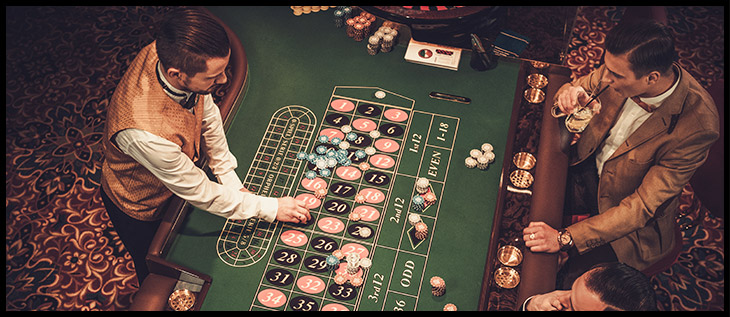
By the 18th century, gambling had become a global phenomenon, with establishments like the Casino di Venezia in Italy leading the way. This era marked the transition of gambling from informal gatherings to sophisticated venues, shaping the modern casino landscape that we recognize today. The evolution of gambling was thus closely tied to changes in societal structure and leisure activities.
The Modern Gambling Landscape
In the 21st century, gambling has undergone a significant transformation with the advent of technology. Online casinos have reshaped how people engage with games of chance, allowing for a global audience to participate from the comfort of their homes. This shift has also raised questions regarding regulation, safety, and responsible gaming practices.
The cultural implications of modern gambling cannot be overlooked. Today, gambling is often portrayed in media, influencing public perception and acceptance. While some view it as a form of entertainment, others express concerns about addiction and its societal impact. As such, the cultural significance of gambling continues to evolve, reflecting contemporary values and issues.
Your Safe Gaming Experience
At our platform, we recognize the rich history and cultural importance of gambling. We are committed to providing a secure and enjoyable gaming environment for enthusiasts. Our online casino combines the latest technology with stringent regulations to ensure player safety and transparency, offering a wide variety of games that cater to modern players’ preferences.
With a focus on responsible gaming, we aim to create an engaging experience that respects the traditions and cultural significance of gambling while promoting safe practices. Join us today to explore the exciting world of online gaming, where you can enjoy your favorite games with peace of mind, knowing that your safety is our priority.